
Too Early, but Right on Time: Reflections for World Prematurity Day


Every year on November 17th, families and healthcare advocates around the globe recognize World Prematurity Day — a day that gives voice to tiny fighters, the parents who love them, and the medical teams who work tirelessly to give them a chance at life. For many, “prematurity” is a statistic or a fleeting thought. For others — like myself — it’s a lived experience etched into our bodies and our hearts, shaping our understanding of fragility, resilience, and hope.

This is my story. But it is also the story of countless mothers, fathers, and children who, though they entered the world too early, arrived right on time to teach us about love, courage, and what it means to never, ever give up.
Memories That Never Fade

Nearly 40 years have passed since my
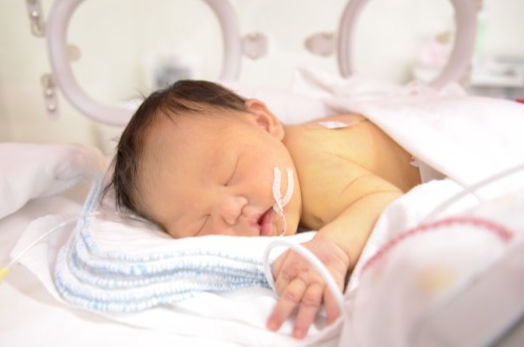
own experience with premature infants, but time does not dim the vividness of those days and nights in the NICU. The pangs of heartbreak I felt leaving my babies behind each evening are memories as sharp today as they were then — tears silently falling as I drove home to try to carve out a semblance of “normal” for my other children waiting there. The push and pull between two worlds — the clinical hum of the hospital and the parallel universe of home life — left an indelible mark on who I became as a mother and an advocate.

To this day, I recall the camaraderie and deep bonds forged with the team that walked with me during that fragile season. There were nurses who became my late-night confidants, especially those beloved “graveyard” nurses, who seemed to sense the ache in my heart and always called with “good news” after I left. I will never forget the voice on the other end of the line, sharing updates that a feeding went well, or joyfully announcing that my son had tolerated the ventilator being turned down — one small but monumental step closer to breathing on his own.

Respiratory therapists and neonatologists became a circle of support and encouragement, each celebrating victories that were invisible to most, yet immense to us. “Your son took four breaths on his own today.” “She gained an ounce!” Every skill, every milestone conquered, was relayed with compassion. These professionals were more than caregivers; they became friends, and, in some cases, fixtures in my life for years to come. Other specialties — occupational therapists, lactation consultants, social workers — offered comfort and laughter, their kindness sustaining us well beyond discharge.
The Evolution of Care: Four Decades of Progress

Looking back, it is humbling and awe-inspiring to see how far neonatal medicine has come. Treatments that were experimental during my NICU journey are now standard, and survival rates for “micro-preemies” have leaped forward. Newborn intensive care units today are adorned with advanced monitoring technology, gentler ventilation strategies, and therapies tailored precisely to each tiny patient’s needs.

But, the most significant advances have come in understanding the lasting impact of prematurity — especially concerning infant lung and airway health. Four decades ago, we fought for every breath our preemies could manage, uncertain what the long-term future might hold. Today, not only are more preemies surviving, but their quality of life and health outlook are steadily improving thanks to ongoing research and early interventions.
The High Incidence of Lung and Airway Challenges
It’s well recognized that infants born prematurely face a much higher incidence of respiratory and airway challenges throughout childhood and even adulthood. From chronic lung disease and bronchopulmonary dysplasia to ongoing struggles with wheezing, sleep disordered breathing, and airway obstructions, these health issues can persist long after discharge from the hospital. For families and caregivers, the need for vigilance and advocacy doesn’t end at homecoming — I it becomes a lifelong odyssey.
CAFF: Leading the Future of Airway Health

This is but one of the reasons I am so proud to serve as the Director of Early Childhood Development at the Children’s Airway First Foundation (CAFF), an organization deeply committed to changing the landscape of airway health for all children. CAFF is leading groundbreaking efforts to understand, identify, and treat airway issues starting even before birth. Together with researchers, protocols are being developed to study babies in utero, looking for early signs of potential airway difficulties, and monitoring expectant mothers for sleep-related disorders such as obstructive sleep apnea (OSA) and sleep disordered breathing (SDB). Such conditions, when untreated during pregnancy, elevate risk factors for both mother and infant, underscoring the necessity for screening and intervention at every stage.

Beyond research, CAFF is at the frontline of a national push for Universal Infant Airway Screening — an effort that seeks to ensure every newborn is assessed for airway concerns at birth,lIm l before they can escalate into more serious, lifelong health problems. These screenings are swift, noninvasive, and could represent a turning point in pediatric health, catching issues that — if left unchecked — might result in chronic illness, developmental delays, or even tragedy.
Fix by Six: A Movement for Early Detection and Care
My position with CAFF is more than a professional calling. It is deeply personal. Having lived the NICU journey four times over, I carry an intimate awareness of the trials parents must overcome: the sleepless nights, the waiting, the balancing act between hospital and home, and the necessity of finding hope even in the most uncertain moments. Having that perspective reinforced my commitment to educate both parents and early childhood professionals about the dangers of undiagnosed airway disorders and the importance of advocating for our most vulnerable.
Our “Fix by Six” initiative embodies the heart of our mission: early detection, early treatment, early prevention — before chronic problems can take root. We are calling on pediatricians, teachers, childcare providers, and parents everywhere to join a movement dedicated to giving every child, especially those born too soon, the healthiest possible start. Early action is key. With vigilance and innovation, the outcomes for children of all backgrounds — premature or not — can be dramatically improved.
Bonds That Last a Lifetime

Every parent who has sat by an incubator, counting tiny breaths, knows the deep and lasting gratitude for the nurses and doctors who fight alongside us. The friendships forged in that time are unlike any others — built on vulnerability, hope, and the recognition of shared humanity. Those midnight calls from the nurses weren’t just updates; they were lifelines, reassurances that someone else carried my burdens with me.
Some healthcare professionals from those years are still friends of mine today, a testament to the depth of those experiences. The NICU may seem like a world apart, but the bonds made there reach into a lifetime.
Still Bearing Witness, Still Offering Hope

As we mark World Prematurity Day, I reflect not only on my own children, now grown, but also on all the families walking the same path I once did. So much has evolved in the science of prematurity. So much remains unchanged in the emotions it asks of our hearts. In those moments, the hospital lights seem harsh, the days endless, and the waiting interminable.
But there is progress, and there is hope. Research is uncovering new ways to not just help babies survive, but to thrive. Organizations like CAFF are pushing for reforms and innovations that will change lives for generations to come.
The experience of having multiple preemies — of balancing fear and hope, home and hospital, heartbreak and small triumphs — has given me perspective and empathy I strive to share with every family, colleague, and future health provider I meet.

To the parents still waiting, still hoping, and still loving with every fiber of their being: You are not alone. And to our precious preemies: though you arrived too early, you were — without a doubt — right on time.
A Glimpse Inside the NICU: Baby Alfie’s Journey
Watching this BBC Scotland video about baby Alfie — born at just 27 weeks, the same gestation as one of my own preemies — brought back a flood of memories from my own time in the NICU. Alfie’s story captures the heart-pounding uncertainty, the round-the-clock dedication of medical staff, and the daily courage required by parents and families when a baby arrives far too soon. If you want to truly understand the emotional landscape of prematurity and the tiny triumphs that mean everything, this story will resonate deeply.
Comments